Is Westerville The Right Fit For Your Next Move?
June 25, 2026
June 25, 2026
Trying to decide whether Westerville should be your next home base? If you want a suburb that feels established but not stuck, active but not overly busy, Westerville tends to land in a very practical middle ground. Whether you are moving across Central Ohio or relocating from out of town, understanding how Westerville compares with nearby suburbs can help you make a more confident decision. Let’s dive in.
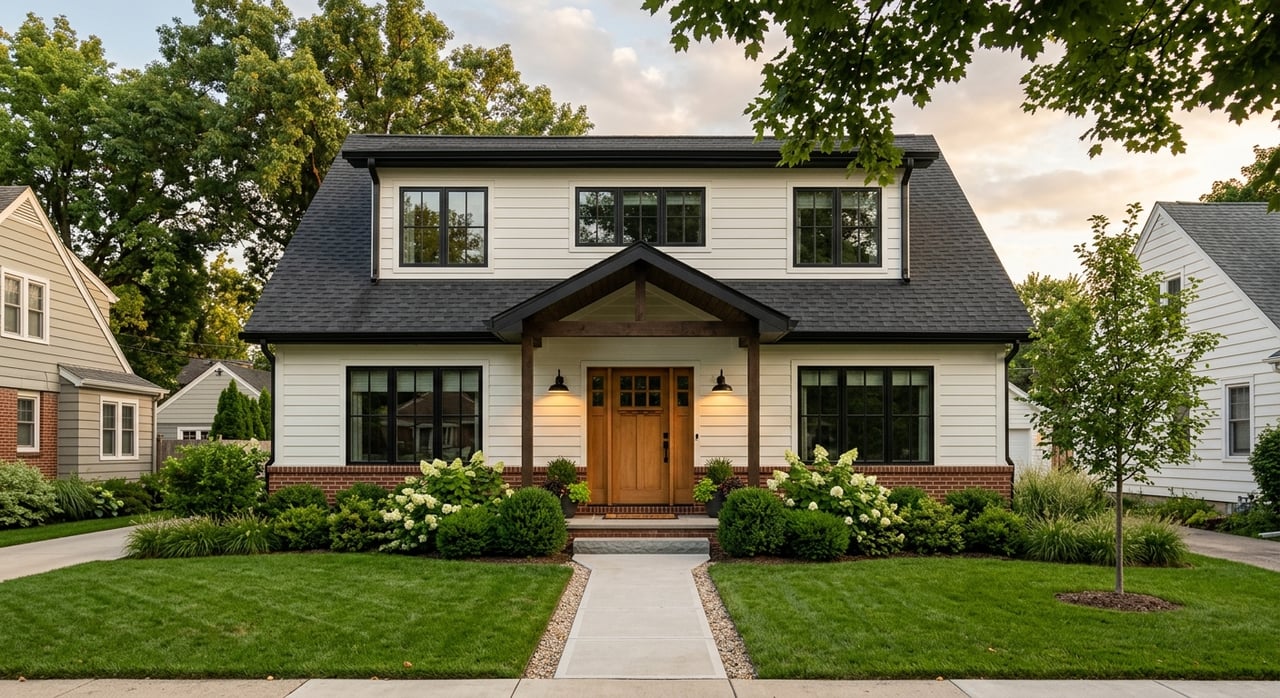
Westerville offers a mix that can be hard to find in one place. According to the city, its housing stock preserves history across different eras while also offering newer housing choices and larger-lot options. That gives you more variety than you might expect if you only know Westerville by name.
Uptown Westerville adds another layer to that identity. The area includes homes dating back to the 19th century next to a historic shopping district, which gives parts of the community an older, rooted feel. At the same time, the broader city still functions like a modern suburb with a range of neighborhoods and housing styles.
If you are comparing suburbs around Columbus, Westerville often sits between two different models. It does not read as compact and village-centered as Worthington, and it does not feel as fully master-planned as places like Dublin or New Albany. For many buyers, that middle ground is exactly the appeal.
For many people, Westerville works because it gives you options without making the area feel disjointed. You can find older character homes near the core, newer low-maintenance homes farther out, and larger-lot settings in other parts of the city. That flexibility can be especially helpful if your needs are changing.
This is one reason Westerville often stands out for move-up buyers and transferees. If you want more space, more neighborhood variety, and a community that feels complete without feeling overbuilt, Westerville checks a lot of boxes. It is a place where you can focus on fit instead of trying to force your lifestyle into one specific suburban pattern.
Westerville’s official neighborhood information points to a city with preserved housing from different eras and a broad set of new housing choices. In simple terms, that means you are not limited to one look, one layout, or one phase of development. You can explore a wider mix of home styles depending on what matters most to you.
That can be valuable if your priorities include one or more of the following:
If you are selling one home and buying another, this variety can also make Westerville easier to grow into over time. You may be able to stay in the same community even as your space needs, budget, or daily routine change.
Commute convenience is one of Westerville’s strongest practical advantages. The city says it is about 10 miles from John Glenn International Airport and 15 miles from downtown Columbus. For buyers who travel often or need reliable access to major job centers, that can be a meaningful plus.
Westerville also benefits from northeast-side highway access and a usable local street grid. The city highlights access from I-270 exit 29 to State Route 3 and State Street, which reinforces how residents typically move through the area. There is also convenient public transit access noted by the city, adding another layer of flexibility.
Compared with some nearby suburbs, Westerville comes across as more balanced than specialized. Some communities lean heavily on one major corridor or a more auto-dependent pattern, while Westerville offers a blend of airport access, downtown proximity, highway connectivity, and local circulation. If your work, errands, and travel pull you in different directions, that balance matters.
Westerville is not just about housing and commute times. The city says it has 41 parks or recreation facilities, 51 miles of recreational trails, and a state-of-the-art community center. That creates a strong everyday lifestyle foundation, especially if you value being able to get outside close to home.
Those amenities help Westerville feel active without feeling intensely urban. You can enjoy trails, green space, and recreation as part of your normal week instead of treating them like special outings. For many buyers, that is a big part of what makes a suburb feel livable long term.
Uptown Westerville adds to that everyday appeal. The city notes a preserved historic core, a steady event calendar, and a DORA, which helps create a real main-street atmosphere. Instead of being purely residential, Westerville offers a local center with activity and identity.
If you are still narrowing down your search, it helps to understand where Westerville fits in the broader Columbus suburb mix.
Worthington is known for a more compact, classic historic-center feel built around a village green and brick sidewalks. Westerville also has historic character, especially around Uptown, but its overall housing pattern is more varied and spread out. If you want history with a little more suburban range, Westerville may feel like the better fit.
Dublin emphasizes diverse housing, planned growth, and a more intentionally managed community structure. It also has a larger, more destination-oriented parks and entertainment profile. Westerville feels less master-planned and more layered, which may appeal to buyers who want convenience and amenities without a highly curated suburban environment.
New Albany’s official planning materials point to a pedestrian-focused Village Center and a more centralized, master-planned amenity network. Westerville offers walkable pockets too, especially in Uptown, but its identity is more distributed across neighborhoods, parks, and trails. If you prefer a suburb that feels more organically mixed over time, Westerville may stand out.
Hilliard is adding housing choices and mixed-use growth around Old Hilliard and newer districts. Its planning story is tied closely to redevelopment and corridor improvement. Westerville, by contrast, tends to feel more established in its identity today, with historic elements, neighborhood variety, and existing amenity depth already in place.
Powell emphasizes a quaint downtown, small-town atmosphere, and semi-rural roots. Westerville has a historic core too, but it generally offers a broader suburban amenity mix and stronger proximity to downtown Columbus and the airport. If you want a little more connectivity and variety in one package, Westerville may be easier to picture for everyday life.
Westerville appears to be a strong fit if you want a suburb that balances character, convenience, and choice. Based on the city’s descriptions, it is especially appealing for buyers who want established neighborhoods, a historic Uptown, trail access, and a location that works well for airport and downtown trips. It also makes sense if you want several housing paths instead of one narrow type of community.
You may be especially comfortable in Westerville if you are looking for:
No suburb is right for everyone, and that is a good thing. Westerville may be less appealing if you are looking for a fully master-planned environment like Dublin or New Albany, a very compact historic-center feel like Worthington, a suburb shaped heavily by ongoing redevelopment like Hilliard, or a smaller village atmosphere like Powell.
That does not make Westerville better or worse than those places. It simply means the best fit comes down to your priorities, your routine, and the type of neighborhood experience you want day to day. The more honest you are about that, the easier your search becomes.
If Westerville is on your shortlist, focus on how you want to live, not just where you want to buy. Think about your commute patterns, the type of home you want, how important trails or parks are to you, and whether you want a historic district nearby or simply more neighborhood variety. Those details usually tell you more than a broad suburb ranking ever could.
If you are relocating, Westerville is worth a close look because it combines practical access with a community feel that is easy to understand once you tour it. If you are moving up within Central Ohio, it may offer the mix of space, convenience, and lifestyle you have been missing. The key is seeing how your day-to-day life would actually fit here.
If you want help comparing Westerville with other Central Ohio suburbs or narrowing down the right neighborhood for your next move, connect with Home Connections Group - Home Central Realty. Their team helps buyers, sellers, renters, and relocating households make clearer, more confident decisions across the Columbus area.

Lifestyle
Two Metro Parks: Rocky Fork & Inniswood Gardens
Real Estate
Lifestyle
No Playgrounds this week, its COSI
Real Estate

Real Estate
Metro Parks Summer Series: Great Southern + Battelle Darby
We are with you from the beginning of the process through your closing, providing full service and expertise every step of the way.

1156 DUBLIN ROAD, SUITE 105 COLUMBUS, OH 43215