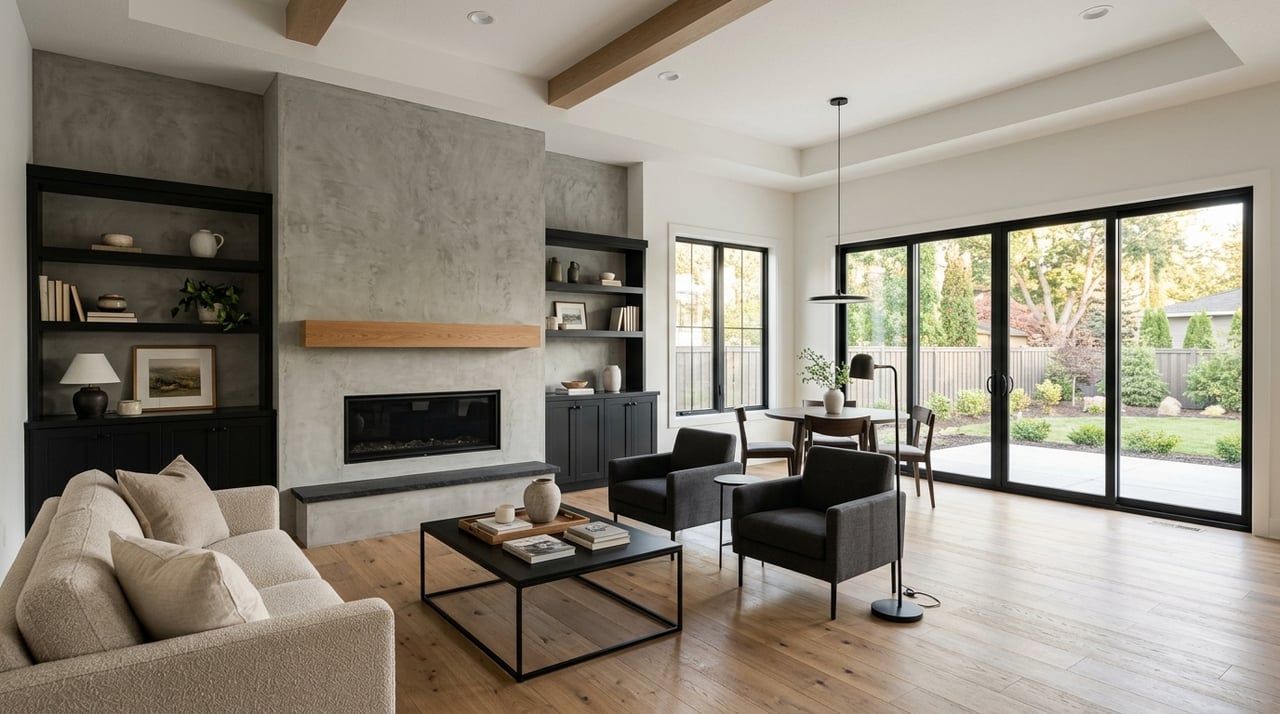
New Construction Living In Plain City: What To Expect
July 2, 2026
July 2, 2026
Thinking about buying a brand-new home in Plain City? You are not alone. This part of Central Ohio has seen strong housing demand and steady development interest, which means new construction can offer real opportunity if you know what to expect. In this guide, you will learn how the local new-build process works, what types of communities you may find, how long the timeline may take, and where buyers should pay close attention before signing. Let’s dive in.
Plain City sits near State Route 161 and US Route 42, with access to US 33 and Interstate 70. For many buyers, that location matters because it connects village living with broader Central Ohio commuting routes.
Local planning documents also show why builders and buyers are paying attention. Plain City’s comprehensive plan notes high housing demand, strong development interest, and a community goal of expanding housing choices for first-time buyers, young professionals, and downsizers.
That does not mean every new-build option looks the same. It means you are more likely to see a range of home types, price points, and community styles than you might expect in a smaller village setting.
If you start touring new construction in Plain City, you will likely see three broad categories.
These are often the most familiar option. In Plain City, one example is M/I Homes at Darby Station, where single-family homes start from $442,900 and floorplans range from 1,440 to 3,745 square feet.
This type of community often includes a menu of floorplans with different layouts, such as ranch, two-story, and multi-level designs. It can appeal to both first-time buyers and buyers who need more space.
If you are looking for lower-maintenance living or age-targeted amenities, this may be the category to watch. Del Webb Maygrass is a 55+ community in Plain City that is listed as opening mid-2026, with homes starting in the upper $300s and floorplans from 1,501 to 2,754 square feet.
Community pages for this type of neighborhood may highlight amenities like a clubhouse, pool, and trails. For the right buyer, that can shape the day-to-day lifestyle as much as the home itself.
Some buyers want a broader neighborhood setting with more amenities and personalization options. Fischer Homes at Jerome Village is an example of a coming-soon Plain City community in Union County, with home designs ranging from 1,600 to 4,000 square feet and access to a design studio.
Large master-planned communities may also include features like trails, clubhouse amenities, and convenient highway access. If you want more community infrastructure around you, this type of setting may be worth comparing.
One of the biggest misconceptions about new construction is that everything happens only between you and the builder. In Plain City, that is not the full picture.
The village’s Planning and Zoning Department handles residential subdivision review and zoning certificate review for new home construction. It also reviews items such as sidewalks, signs, fencing, and pools, and it has moved zoning permits into an online portal.
For you, the practical takeaway is simple: local approvals still matter. Even in a builder community, timelines and final details can be shaped by subdivision review, zoning requirements, and homesite readiness.
A new construction purchase usually follows a clear sequence, but the exact pace can vary. In general, you can expect agreement first, then financing, then design selections, then construction, and finally closing.
M/I Homes describes a typical process that includes a purchase agreement and permit options within 14 days, a mortgage application within 5 days, and design-studio scheduling within a few business days. After the permit is received, construction may take about 4 to 6 months.
That does not mean every Plain City build will land on that same schedule. Timeline can vary based on the community, lot readiness, permit timing, financing, and how many design choices you make.
| Stage | What usually happens |
|---|---|
| Contract | You choose a homesite and sign the purchase agreement |
| Financing | You complete your loan application and approval steps |
| Design | You select finishes, upgrades, and other options |
| Pre-construction | Permits and site readiness move forward |
| Build | The home is constructed over several months |
| Walkthroughs | You may have buyer-builder, pre-drywall, and orientation meetings |
| Closing | Final documents are signed and you get the keys |
Even when a builder gives an estimated completion date, a few factors can shift the schedule.
Some lots are ready sooner than others. If utility work, permitting, or subdivision improvements are still moving forward, your timeline may stretch.
The more personalized your home becomes, the more coordination may be involved. Certain finishes, layouts, or upgrade packages can affect lead times and construction sequencing.
Your mortgage steps still matter in a new build. Delays in documents, underwriting, or lender requirements can affect your progress, even if construction is moving along.
This is one of the most important parts of buying new construction. A beautifully staged model home can make it easy to assume everything you see is included, but that is not always the case.
Ohio’s Homebuyers Guide specifically advises buyers not to assume the model-home package is all standard. That means you should ask for a clear breakdown of what comes with the base price and what costs extra.
When comparing builders or communities, ask for details on:
A lower starting price does not always mean a lower final price. Once you add lot premiums and upgrades, the total can look very different from the base number advertised online.
Builder communities often present financing packages through preferred lenders. These offers may be convenient, and in some cases they may include incentives tied to closing costs or design credits.
Still, Ohio’s Homebuyers Guide advises buyers to compare a builder’s financing package with outside lenders. That comparison can help you understand whether the full deal works in your favor, not just whether the incentive sounds attractive on the surface.
A builder warranty can be a real benefit, but only if you understand what is actually included. Coverage is not one-size-fits-all.
M/I Homes says its warranty package includes a 10-year transferable structural warranty and one-year customer care coverage. Del Webb describes layered coverage that includes 10-year structural protection, 5-year water infiltration and internal leaks coverage, 2-year mechanical systems coverage, and 1-year workmanship coverage.
The key lesson is that warranty terms vary by builder. Before you sign, read the warranty carefully and ask which issues fall under structural, systems, workmanship, or customer-care categories.
A brand-new home is still a major construction project made up of many materials, trades, and installation steps. New does not always mean perfect.
Ohio’s Homebuyers Guide says a home inspection by a licensed third party is highly recommended, even in a new-build purchase. That can give you another set of eyes on the property before closing.
Some builders also include milestone meetings such as a buyer-builder conference, pre-drywall conference, and new-home orientation. Those are useful, but they are not the same as having your own independent inspector.
When you walk into a builder model home, you are often greeted by a helpful on-site sales consultant. That person can explain floorplans, pricing, and community details, which is useful, but their role is not the same as independent buyer representation.
Ohio’s agency guidance explains the difference clearly. A seller-side representative owes duties to the seller, while a buyer’s agent owes duties to the buyer.
In a new-construction purchase, that distinction matters. If you want guidance on offers, inspections, financing comparisons, contract terms, and upgrade decisions from someone focused on your interests, separate buyer representation can help.
Buying new construction can feel exciting one week and overwhelming the next. You may go from choosing a lot and dreaming about finishes to waiting on updates that seem to move slowly.
That is normal. The process usually involves many steps behind the scenes, and the best experience often comes from staying organized, asking direct questions, and keeping expectations flexible around timing.
A little prep can make your first builder visit much more productive. Instead of only falling in love with a model, you can evaluate whether the numbers and process fit your goals.
Before you tour, try to have these items in mind:
If you are relocating to Central Ohio, this step matters even more. A structured plan can help you compare neighborhoods, builder timelines, and commute routes without feeling rushed.
Plain City offers a mix of opportunity for buyers who want a fresh start in a growing part of Central Ohio. Between location access, expanding housing choices, and a variety of community types, you have real options to compare.
The smartest approach is to look beyond the model home. Ask about standard features, review warranty terms, compare lender options, understand the local approval process, and consider independent inspection and buyer representation before you commit.
If you want a clear, organized plan for buying new construction in Plain City, the team at Home Connections Group - Home Central Realty is here to help you compare communities, understand the process, and move forward with confidence.

Real Estate
Real Estate

We are with you from the beginning of the process through your closing, providing full service and expertise every step of the way.
1156 DUBLIN ROAD, SUITE 105 COLUMBUS, OH 43215