Leave a Message

Thank you for your message. We will be in touch with you shortly.

New Construction Neighborhoods In Galloway

December 4, 2025

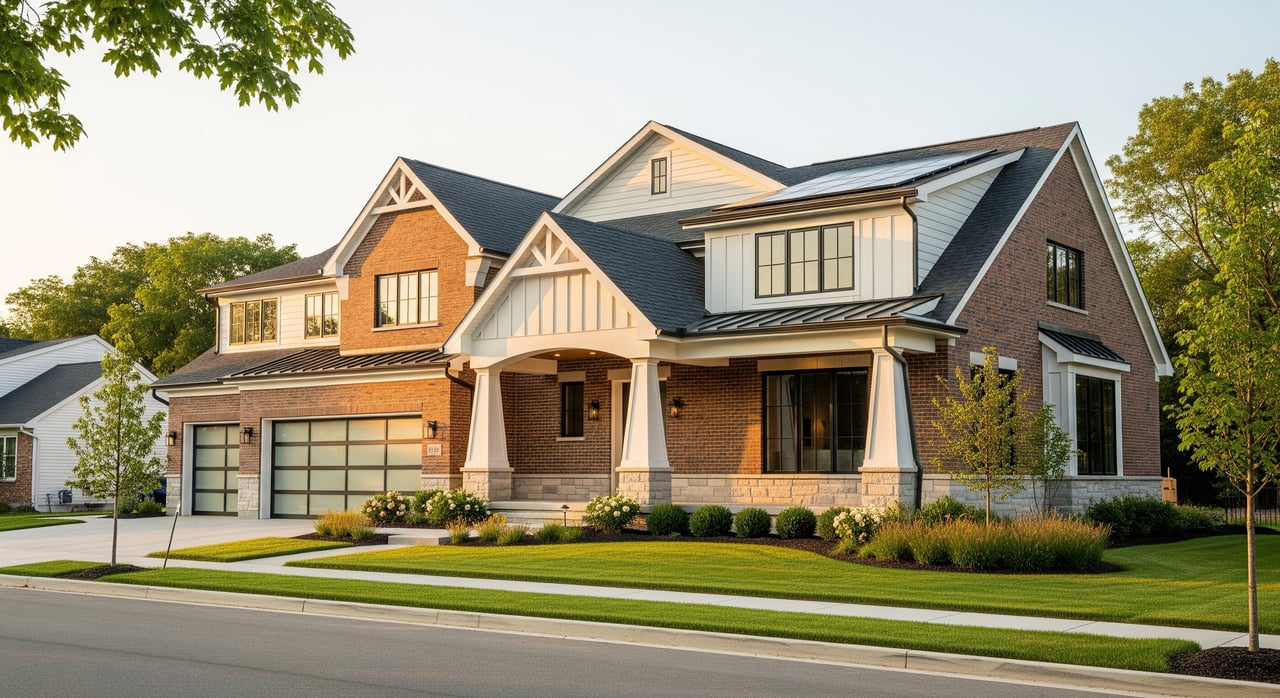
Thinking about a brand-new home in Galloway or Westland? You want modern layouts, low maintenance, and a smooth commute across western Franklin County. New construction can deliver all of that, but the process is different from buying a resale home. In this guide, you’ll learn how to find active communities, compare builders, understand timelines and costs, and protect your investment from contract to close. Let’s dive in.

Galloway and Westland snapshot

Galloway and the Westland area sit in western Franklin County within the Columbus metro. Proximity to I-70, I-270, and key surface roads shapes commute times to employment centers. Many family buyers look here for larger yards and access to area parks and services.

The Columbus market stayed active through 2022 to 2024, with moderate price growth and tight inventory compared to national trends. Builders respond with family-sized homes and quick-move options when interest rates shift. School district boundaries can cross municipal lines, so confirm attendance zones directly with the district before you buy.

How to find active communities

Active new-build neighborhoods change fast. Use these tactics to verify what is truly available now:

  • Check the local MLS for new construction and builder listings in Galloway and Westland.
  • Visit builder websites for community maps, model home addresses, and quick-possession (spec) homes.
  • Search Franklin County Auditor and local permitting records to confirm active starts and new phases.
  • Contact planning and zoning offices, including Prairie Township, for subdivision and phase updates.
  • Drive the area for model home signs and sales centers, then request phase maps and lot releases.
  • Partner with a local buyer’s agent who tracks incentives, lot premiums, and spec inventory.

Compare neighborhoods with this checklist

When you narrow your list, compare communities side by side using these factors:

  • Builder reputation and recent customer feedback
  • Floorplans offered: ranch, two-story, options with basements
  • Lot types and sizes, including corner, cul-de-sac, and potential walkouts
  • Spec homes versus to-be-built and average move-in timeline
  • Standard features in the base price versus upgrade pricing transparency
  • Lot premiums by phase and location inside the community
  • HOA rules, covenants, and monthly or annual fees

Floorplans and features to expect

Most new single-family plans here range from about 1,400 to over 3,000 square feet. You’ll commonly see 3 to 5 bedrooms and at least 2 bathrooms. Two-car garages are standard, with three-car options on larger lots or upgraded plans.

Family-friendly layouts often include open kitchens with islands, flex rooms for a home office or playroom, and first-floor owner suites in ranches or specific two-story plans. Basements are typical as unfinished space, with finished basements offered as an upgrade. Lot types include standard interior lots and, where topography allows, walkouts.

Build timelines and move-in choices

You’ll choose between a quick-possession spec home or a to-be-built plan and lot.

  • Spec homes: Expect 0 to 4 months to move-in, depending on completion stage.
  • To-be-built homes: Plan for roughly 4 to 9 months. Timeline varies with builder backlog, weather, plan complexity, basement finishing, permits, and site prep.

Most builders use staged deposits and set deadlines for selections. Changes become harder and more expensive as construction progresses.

Lot premiums in this area

A lot premium is an added cost for a specific lot, such as a corner, cul-de-sac, walkout, larger size, or a lot that backs to green space. In suburban Columbus markets, premiums can range from a few thousand dollars for interior lots to $10,000 to $40,000 or more for prime locations. Galloway and Westland often sit at the lower to middle end of that spectrum because land costs are generally lower than closer-in suburbs.

Premiums reflect privacy, orientation, and proximity to amenities. Walkout potential can increase value, especially if you plan a finished basement.

What’s included vs upgrades

Every builder provides a community-specific “what’s included” list. Typical standard features often include a basic appliance package, HVAC, insulation to code, standard cabinets and counters, builder-grade flooring, and a driveway with front-yard sod. Some builders finish garage drywall and include basic landscaping. New-home warranties are standard; more on that below.

Common upgrades include quartz or stone counters, hardwood or upgraded tile flooring, cabinet enhancements, appliance package upgrades, structural changes like larger garages, finished basements, exterior enhancements, and smart-home features.

  • Minor aesthetic upgrades: about $2,000 to $10,000
  • Mid-level finishes or structural choices: about $10,000 to $40,000
  • Major options like finished basements or large structural expansions: about $30,000 to $100,000+

Builder contracts and protections

Builders use their own purchase agreements, and terms usually favor the seller. Bring a buyer’s agent who knows new construction to explain clauses and advocate for your interests. They usually cost you nothing because the builder typically covers agent commissions.

Key items to review closely:

  • Base price, itemized upgrades, and any builder incentives
  • Lot identification, lot premium, and assumptions such as grading or walkout
  • Deposit schedule, what is refundable, and when payments are due
  • Completion and delivery dates and any force majeure language
  • Inspection rights and timing for third-party inspections and your final walk-through
  • Warranty coverage, claim process, and exclusions
  • Financing contingency terms and whether the contract allows for lender choice
  • Change-order process, cutoffs, and cost approvals
  • Remedies for delays or missed deadlines, such as credits

Inspections that matter

Independent inspections reduce risk and protect your punch list. Hire an inspector who knows new-construction phases and schedule checks at key milestones:

  • Pre-pour or foundation inspection before concrete work
  • Framing and rough-in check for electrical, plumbing, and HVAC
  • Insulation and vapor barrier review
  • Pre-drywall inspection to verify placements and penetrations
  • Final walk-through with a punch list before closing
  • Post-move inspection during the warranty window for deferred items

Budget several hundred dollars per inspection. A full multi-phase package often ranges from about $400 to $1,200.

Financing your new build

Financing depends on whether the home is a spec or a to-be-built.

  • Spec homes: Conventional, FHA, and VA mortgages typically apply with standard underwriting and appraisal. Builders may offer closing-cost help or rate incentives on inventory homes.
  • To-be-built: You may use a construction-to-permanent loan with one closing, or construction-only financing followed by a second permanent mortgage. FHA and VA construction options exist but not all lenders offer them. Preferred-lender incentives can be valuable, but compare total cost, rate, and fees.

Appraisals for to-be-built homes rely on comparable new builds and your plan and selections. Keep good records of upgrades. Down payments vary by loan type. If timing is sensitive, remember that to-be-built buyers assume construction and scheduling risk, while spec buyers gain a predictable move-in date.

Family planning checklist

Use this quick list to align your build with daily life and long-term needs:

  • Confirm school boundaries and enrollment steps with the district
  • Plan bedroom count and a flex space for office or homework
  • Evaluate yard size, nearby parks, and sidewalks
  • Map routes to daycare, pediatricians, groceries, and major commutes
  • Check storage from garage to basement and attic access
  • Review safety items such as egress windows and detectors
  • Ask about energy-efficiency features and likely utility impacts
  • Read HOA rules for fences, playsets, and exterior changes
  • Consider future expansion like finishing the basement

Start your search with our team

You deserve a smooth, informed path to a new home in Galloway or Westland. Our team can help you verify active communities, compare lot premiums and inclusions, schedule model tours, line up independent inspections, and coordinate financing timelines so you can move with confidence. If you are relocating, we also support area tours and logistics to make the transition easier.

Ready to explore new construction with a local guide by your side? Connect with the concierge-style team at Home Connections Group - Home Central Realty. Let’s Get You Home.
FAQs

How long does a to-be-built home take in Galloway?

  • Most to-be-built timelines run about 4 to 9 months, depending on builder backlog, weather, plan complexity, permits, and whether you add a finished basement.

What is a lot premium and how much is it?

  • A lot premium is an added cost for a specific lot type or location; in this area, premiums can range from a few thousand dollars to $10,000 to $40,000 or more for prime lots.

Can I get inspections during construction?

  • Yes. Negotiate inspection windows for key milestones and hire a third-party inspector for pre-pour, pre-drywall, and final walk-through checks.

What do builders usually include in the price?

  • Standard packages often include basic appliances, HVAC, builder-grade finishes, driveway, and front-yard sod, with upgrades available for counters, flooring, cabinets, and basements.

Are builder contracts negotiable on price?

  • Price flexibility varies by market. Builders often prefer incentives like closing-cost help, upgrades, or rate buydowns over cutting the base price.

Should I use the builder’s preferred lender?

  • Compare incentives against independent lenders’ rates and fees. Choose the option with the best overall cost, terms, and responsiveness for your situation.

What warranties come with a new home?

  • Many builders offer 1-year workmanship coverage, 2-year mechanical coverage, and a 10-year limited structural warranty. Review the contract for details and claim procedures.

Work With Us

We are with you from the beginning of the process through your closing, providing full service and expertise every step of the way.