In Upper Arlington, The Land Is Worth What The House Used To Be
October 1, 2026
October 1, 2026
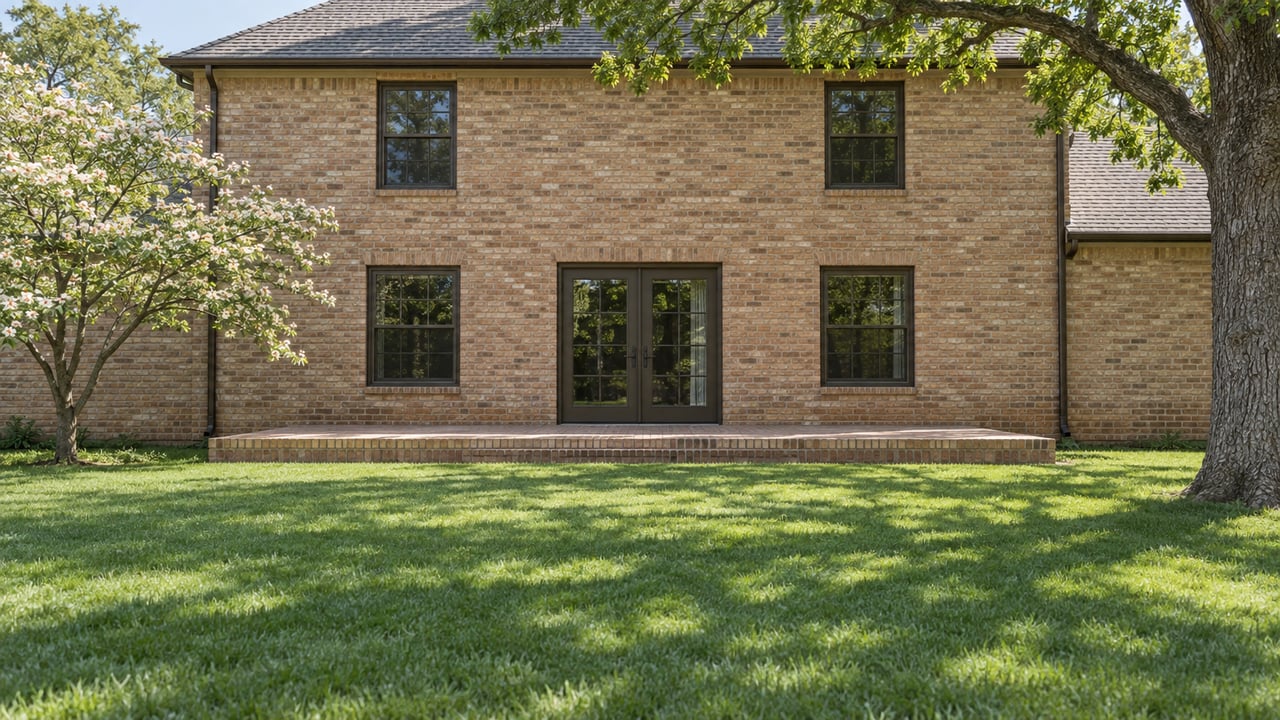
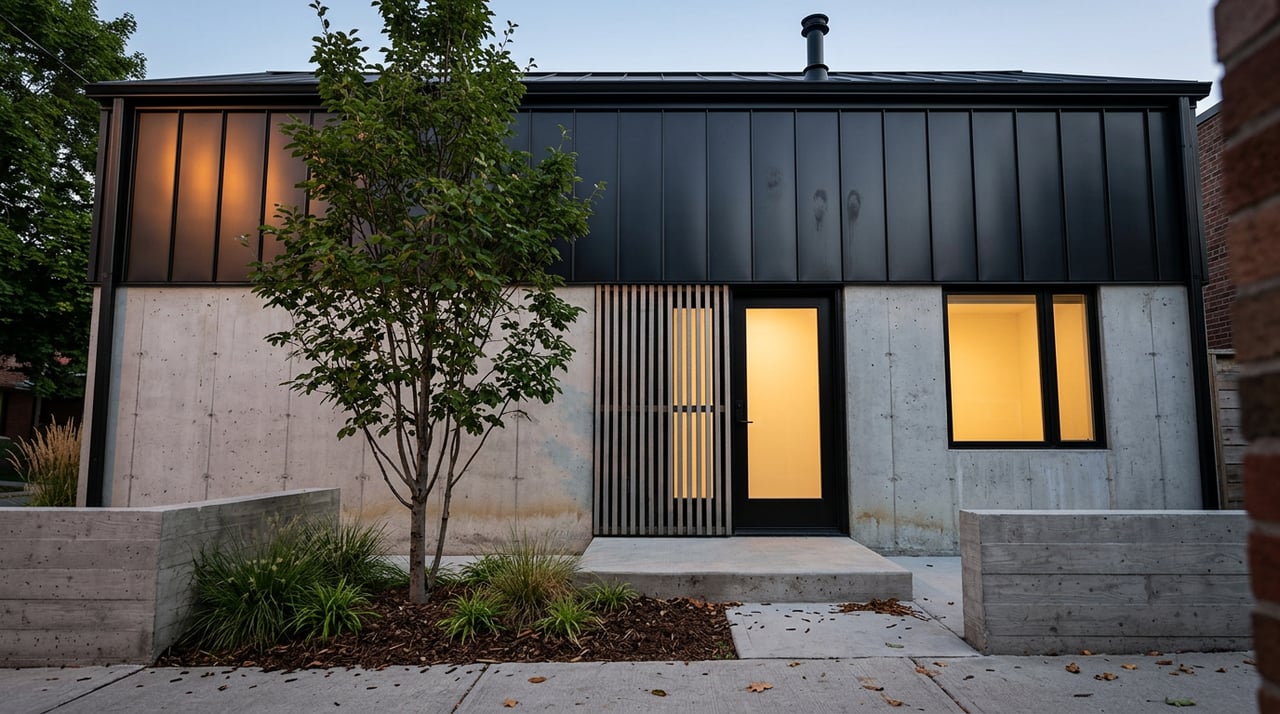
Walk down almost any street south of Lane Avenue this fall and you'll pass two signs within a block of each other. One sits in front of a 1930s Tudor with leaded glass and a slate roof, quietly for sale. The other marks a lot where a spec builder has just poured a foundation next to a brick street that predates the car. Ask what each will sell for and you'll get roughly the same answer: somewhere north of $700,000, possibly well north of $1 million.
That's not a coincidence of good taste. It's what happens when a suburb runs out of room to grow sideways and the only thing left to price is the ground itself.
For most of Upper Arlington's history, a home's age was a rough proxy for its price. Older meant smaller lots and dated mechanicals, which meant cheaper. Newer meant modern systems and bigger square footage, which meant a premium. That logic has broken down in the city's most established sections.
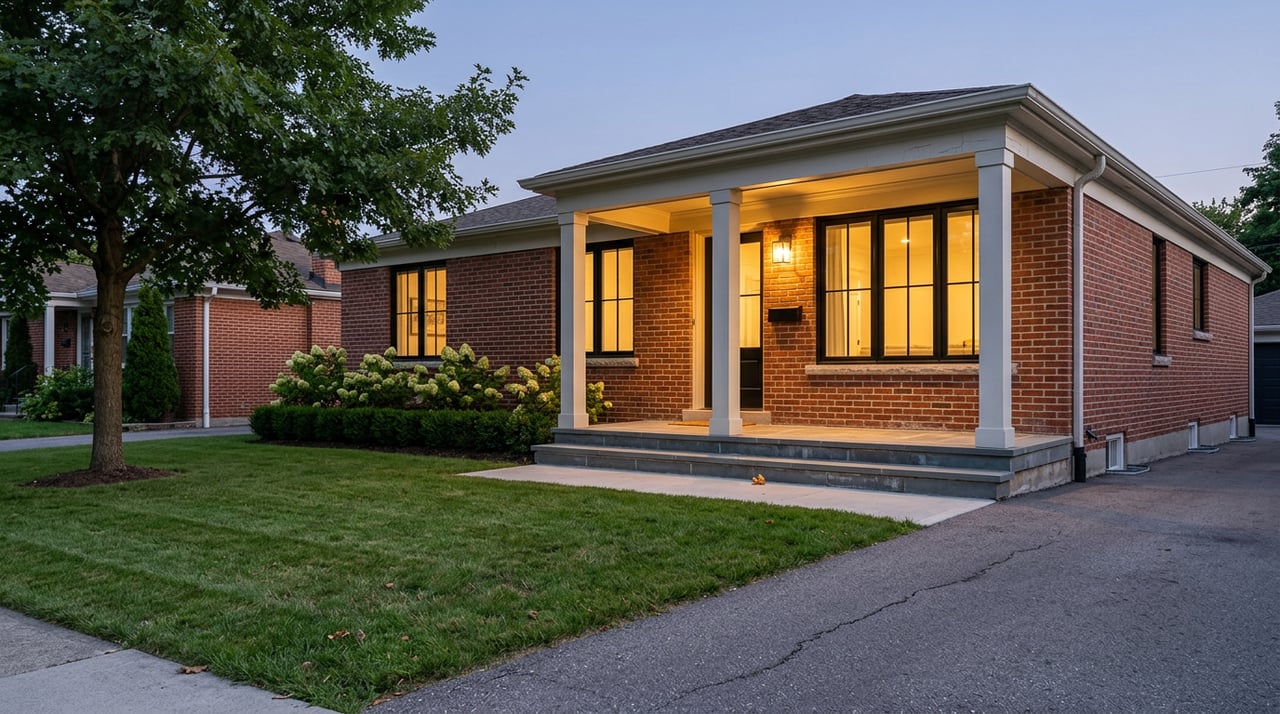
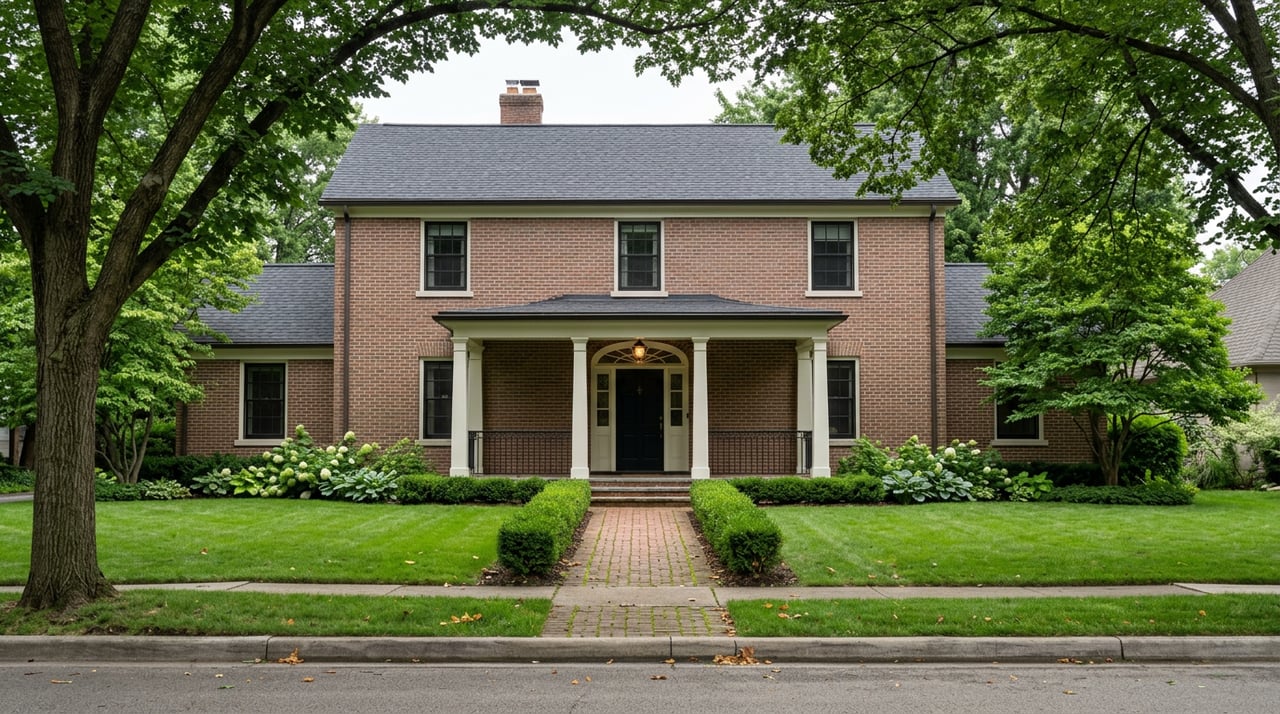
Local listing data compiled in late August 2026 shows historic colonials and Tudors south of Lane, most built between the 1920s and 1940s, selling in the same $700,000 to $2,000,000-plus range as brand-new construction and full gut renovations built this year. Mid-century ranches from the 1950s through the 1970s, many already updated, sit meaningfully lower at $450,000 to $900,000. Townhomes and condos near Lane Avenue offer the most accessible entry point, from roughly $300,000 to $500,000.
| Housing Type | Typical Era | Price Range (Aug. 2026) |
|---|---|---|
| Townhomes & Condos | Various, near Lane Ave | $300,000–$500,000 |
| Mid-Century Ranches | 1950s–1970s | $450,000–$900,000 |
| Historic Colonials & Tudors | 1920s–1940s, South of Lane | $700,000–$2,000,000+ |
| New Construction & Gut Renovations | Built recently | $700,000–$2,000,000+ |
Two categories separated by roughly a century of construction technique land in the identical band. The variable that actually explains the spread isn't age. It's the lot underneath.
Citywide, the pace backs this up. The median sale price across the three months ending July 2026 was $700,000, up 9.8 percent from the same stretch a year earlier, and the average sale price in August 2026 reached $683,000, up 16.5 percent year over year. Homes are averaging 31 days on market, barely more than last year's 30, and transaction volume is actually climbing: 181 homes sold in July 2026, up from 153 in July 2025. None of that reads like a market cooling off. It reads like a market where buyers have accepted that the price of dirt, not the price of a roofline, sets the floor.
Upper Arlington didn't need an outside analyst to notice this. In 2025 the city itself commissioned a detailed housing market study, hiring the planning firm CommunityScale to dig into ten to fifteen years of remodeling and new construction activity, changing demographics, and what the study describes as a growing affordability gap. The project pulled in more than 700 resident survey responses along with interviews with local builders, multifamily developers, and senior living operators.
The findings are shaping the city's next Master Plan update. Among the ideas on the table: carving out pockets zoned for housing types that would appeal to empty nesters and young adults who currently have almost nothing to buy into below the historic and new-construction price bands, along with strategies to expand senior housing options. The city has also opened a companion study of the Henderson Road corridor, dubbed Envision Henderson, looking at whether commercial districts outside the historic core could support mixed-use redevelopment instead of leaving all the new supply pressure to land on residential teardowns.
None of this is a promise of cheaper housing arriving soon. It's a city government publicly acknowledging that its own housing stock has stopped offering an affordable rung between a condo and a million-dollar rebuild, and starting to ask what it can do with the commercial and multifamily zoning it still controls.
The scarcity behind all of this isn't abstract. Upper Arlington was platted in 1913 when developers purchased roughly 840 acres of farmland next to the old Marble Cliff Quarry, laid the streets to follow the natural contours of the land rather than a grid, and built out a self-contained suburb over the following decades. It has stayed a fully built city ever since, with essentially no raw land left to annex or subdivide.
That geography is the entire reason the price table above looks the way it does. When a suburb can still expand outward, new construction gets built on the cheapest available dirt at the edge of town and undercuts the older core. When a suburb is already built out, every new house has to replace an existing one, and the land under both the old house and the new one is the same land. The build year stops mattering because the thing actually being priced, the lot, hasn't changed hands in decades and isn't making any more of itself.
Upper Arlington isn't one market. It's several, and the sub-area names matter more than most portal searches let on.
South of Lane, commonly called Old Arlington, is the historic core, listed on the National Register of Historic Places since 1985, with brick streets and the highest price range in the city. Canterbury sits close behind it, prized for walkability to Lane Avenue's shops and restaurants. Greensview carries mid-century character and strong school access that keeps it popular with families. Waltham Woods trades some of Old Arlington's history for newer construction and consistently strong resale numbers. Brandon holds steady demand thanks to easy access across the city. River Ridge, built out with classic post-World War II ranches, remains the most affordable entry point among the established neighborhoods.
Knowing which of these you're actually shopping in tells you more about what you'll pay than the city-wide median ever will.
Two places show the city actively working against the default teardown pattern rather than just studying it. Lane Avenue is described by the city as its most rapidly evolving commercial corridor, having added new dining, retail, housing, and service options along with the community's first hotel. Regional LinkUS transit plans call for restoring bus service to Lane Avenue this September, which would reconnect the corridor to the kind of transit access that supports the condo and townhome inventory at the lower end of the price table.
Separately, after residents raised concerns about how new construction was changing the feel of established blocks, the city ran seven discussion sessions with about 65 community members, including homeowners who had recently built or expanded, members of the Board of Zoning and Planning, the Historical Society, and local builders. That feedback became a City Manager Policy on Neighborhood Compatibility meant to clarify how new construction gets evaluated against its surroundings. A zoning board update around that same period also noted that a large share of permit activity wasn't teardowns at all. It was homeowners converting detached garages into home offices, filing for accessory dwelling units, and enclosing breezeways, all ways of adding value to an existing structure rather than replacing it outright.
If you're cross-shopping Upper Arlington against Hilliard, Dublin, or Grove City on the assumption that an older home here will cost less than a new one, the data doesn't support that shortcut once you're south of Lane or in one of the higher-demand pockets like Canterbury or Brandon. Age stops being your discount lever in those areas. Lot size, street, and proximity to the Lane Avenue corridor do the pricing instead.
If your budget sits below $700,000, River Ridge's ranch inventory and the townhome and condo stock near Lane Avenue are where the math still works in a buyer's favor. If you're set on the historic core or a new build in one of the premium pockets, expect the era of the structure to explain almost nothing about the number on the listing.
Does a new build always cost more than a historic home in Upper Arlington? Not necessarily. In the city's premium sub-areas, both categories currently occupy the same $700,000 to $2,000,000-plus range. The deciding factor tends to be the lot and the specific street, not whether the home was built in 1935 or this year.
Is the city's housing study likely to lower prices? The study identifies the affordability gap and proposes zoning pilots aimed at adding housing types the city currently lacks, such as options for empty nesters and young adults. It doesn't promise lower prices, and any zoning changes would need to work through the city's Master Plan update process before they'd affect what's actually built.
Are teardowns the main source of new construction here? Not entirely. Zoning board data shows a significant share of current permit activity is homeowners adapting existing structures, through accessory dwelling units, garage conversions, and breezeway enclosures, rather than full demolitions.
If you're weighing a purchase in Upper Arlington and want to know which sub-neighborhood actually fits your budget and your timeline, Home Connections Group can walk the comps street by street with you. Let's get you home.

Real Estate
Real Estate


Real Estate
We are with you from the beginning of the process through your closing, providing full service and expertise every step of the way.
1156 DUBLIN ROAD, SUITE 105 COLUMBUS, OH 43215