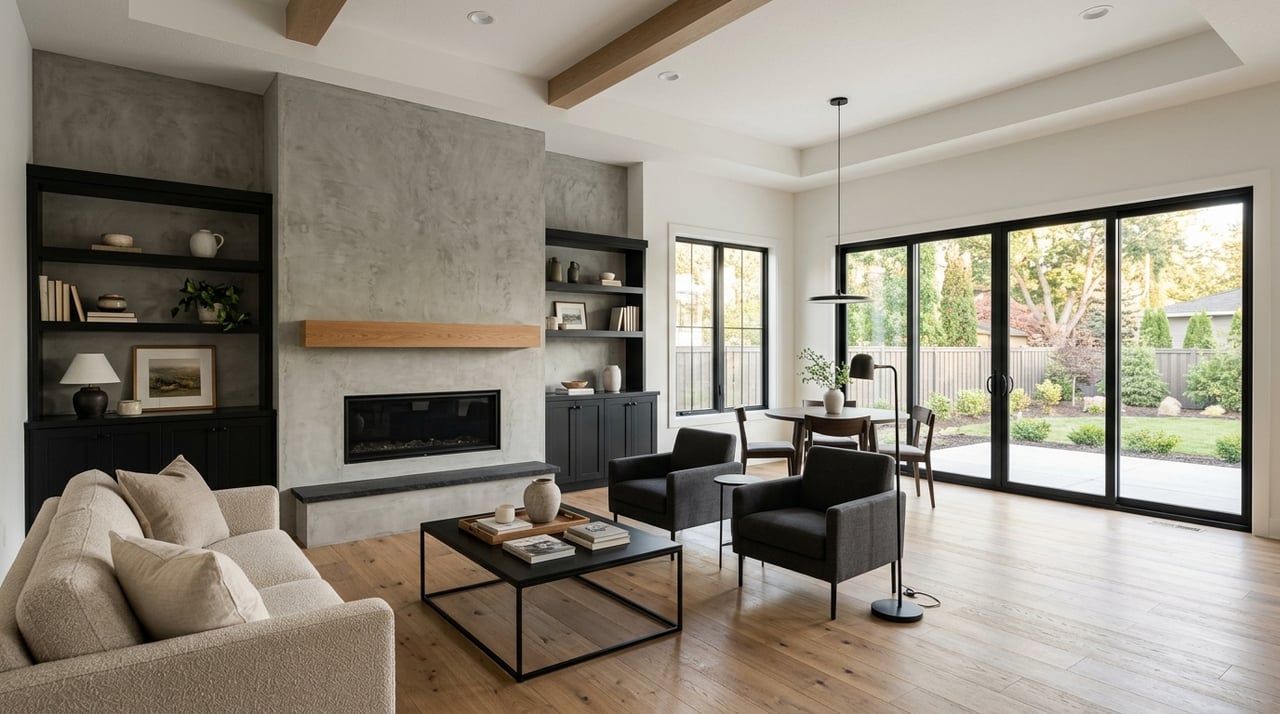
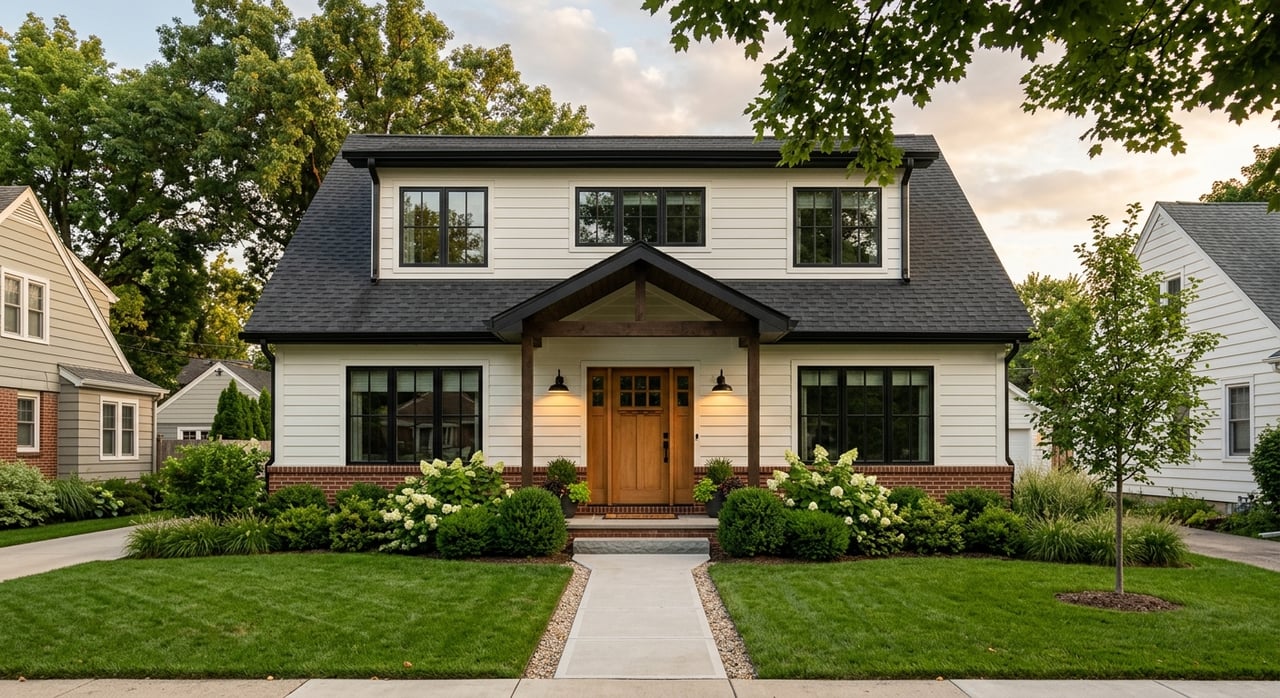
You want a simpler, lower‑maintenance lifestyle without giving up comfort or location. In Westerville, condos and townhomes both promise convenience, but the right fit comes down to what you own, what you pay each month, and how you plan to live. In this guide, you’ll see how ownership structure affects maintenance and insurance, how HOA fees vary, what financing rules can change your timeline, and which product tends to fit different lifestyles. You’ll also get a due‑diligence checklist and smart questions to ask on tour. Let’s dive in.
Condo vs. townhome: what you actually own
The word “townhome” describes a building style, not a legal form. In Ohio, the legal structure is what matters most.
Ohio ownership basics
- Condominium. Under Ohio’s Condominium Property law, you own a defined unit plus an undivided interest in the common elements managed by a unit owners association. The association sets budgets and can levy assessments. See the statute in Ohio Revised Code Chapter 5311.
- Planned community. Many townhome neighborhoods are organized as planned communities with a homeowners association governed by Ohio Revised Code Chapter 5312. A townhouse can be either a condo or fee‑simple lot inside a planned community. Always confirm by reviewing the recorded declaration, plat and deed.
Why ownership form matters
Your monthly costs and long‑term risk depend on who maintains big‑ticket items. Roofs, siding, driveways, stormwater systems and insurance are handled differently in each community’s documents. Associations can adopt budgets, collect dues, and levy special assessments under Chapter 5311. Before you fall in love with a layout, verify the maintenance map and the association’s rules.
Westerville options and price ranges
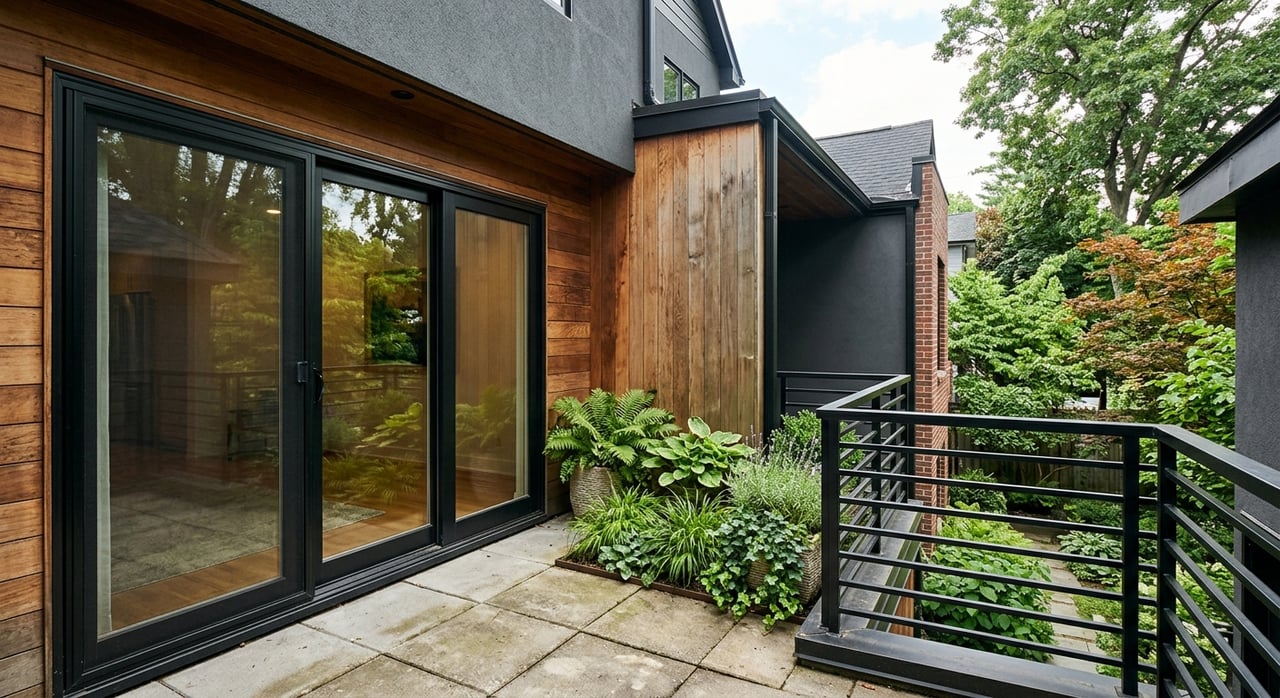
You will find both classic condo communities and newer townhome developments across Westerville. Recent market snapshots place overall median home values in the low to mid $400Ks. Newer townhomes commonly appear around the low to mid $400Ks up to roughly $550K, often with 1,700 to 2,200 plus square feet, 2 to 3 bedrooms and attached garages. Older condo and townhome units can be substantially less, typically with smaller footprints.
Where you’ll find them
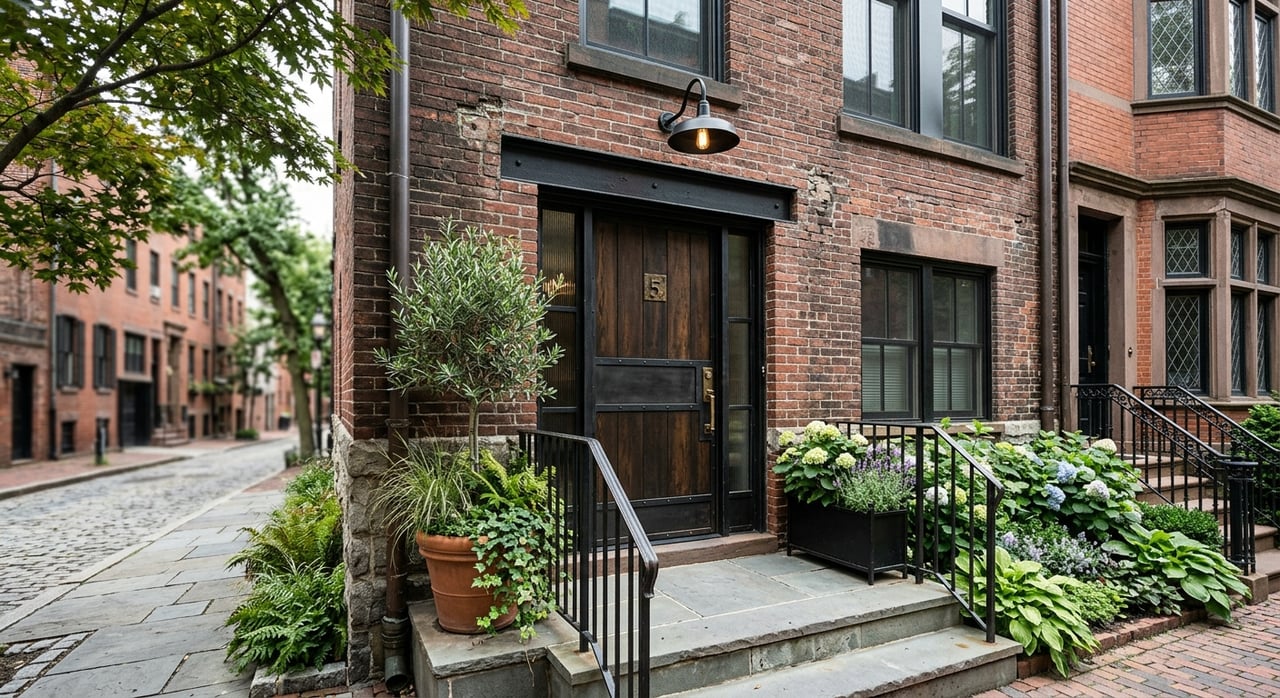
- Uptown Westerville. If you value walkable shops, events and trails, condos and attached homes cluster near this activity hub. Explore the city’s Uptown overview of amenities and investment in the district on the Uptown Impact page.
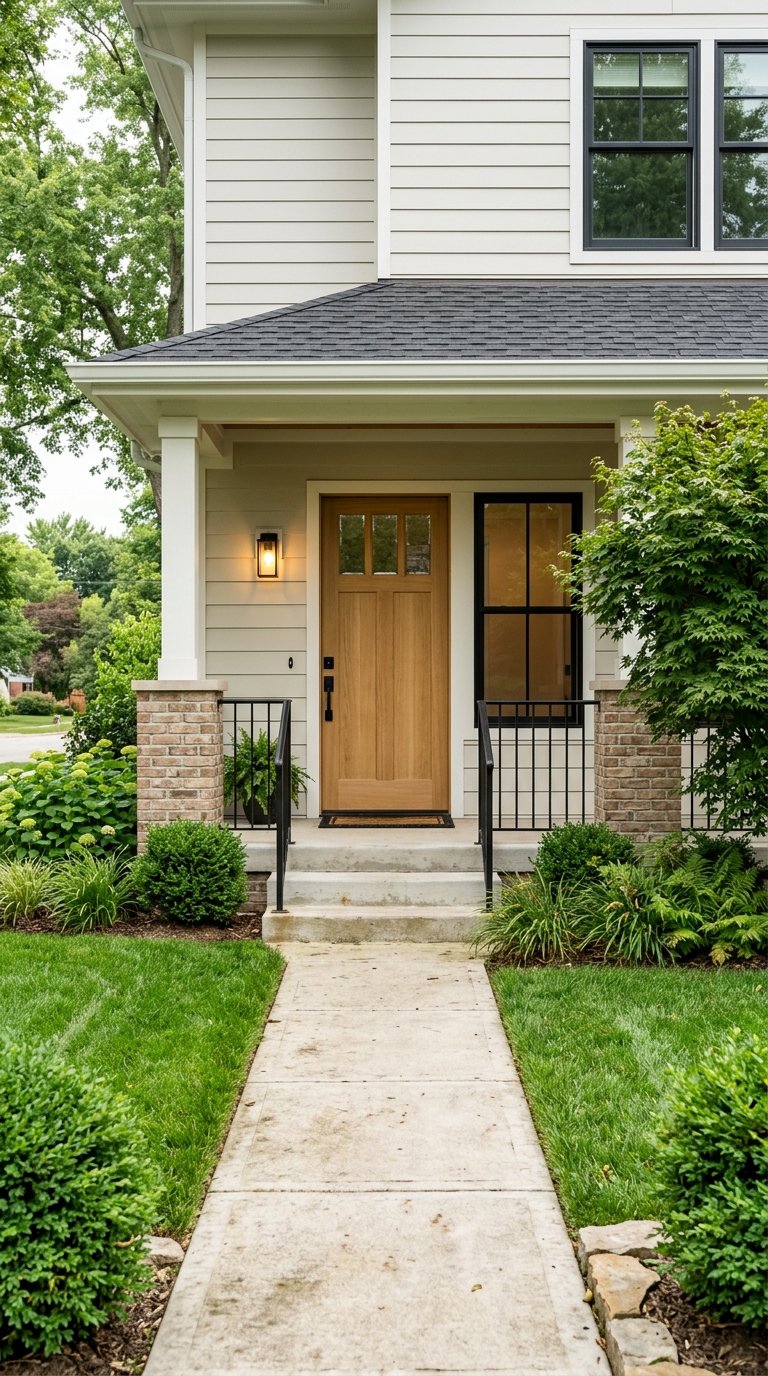
- Newer corridors. New‑build townhome neighborhoods often sit north and east of Uptown, including the West Albany and Polaris corridors, offering garages, open plans and modern finishes.
Monthly cost factors to compare
Your monthly payment is more than principal and interest. Focus on these early:
- Purchase price. Newer townhomes trend higher than older condos, but the gap varies by size, finish level and location.
- HOA dues. What the HOA covers drives dues. In Westerville, examples range from around $185 per month in some new‑build townhome communities to more than $500 per month in amenity‑rich condo complexes. Some older planned communities charge a modest annual fee, which usually means you handle more exterior work. Always confirm the current fee schedule, frequency and inclusions in the resale package.
- Insurance. Condos typically have an association master policy and you buy an HO‑6 policy for interior finishes, personal property, liability and loss‑assessment coverage. Learn what HO‑6 covers and the common master policy types in this condo insurance overview. Also review consumer guidance on master policy deductibles and gaps from the Washington Office of the Insurance Commissioner’s condo insurance resource.
- Special assessments. Associations can assess owners for major repairs under Ohio’s condo statute. Low reserves plus aging buildings increase this risk. Review budgets, reserves and board minutes per Chapter 5311.
What HOAs usually cover
Coverage varies by community. Typical inclusions may be lawn care, snow removal, common‑area maintenance, trash or sewer, and sometimes exterior building elements. Some add amenities like pools, private roads or extensive landscaping, which can raise dues.
Why reserves matter
Healthy reserves indicate a community is saving for future capital projects. If reserves are weak and buildings are older, the chance of a special assessment goes up. Ohio law expects associations to adopt budgets and keep records available to owners under Chapter 5311. Ask for the current budget, recent financials and the last reserve study.
Insurance: who covers what
Condo associations carry a master policy, but the details differ. Master policies generally fall into three buckets:
- Bare‑walls. Covers the structure to the drywall. You cover interior finishes.
- Single‑entity. Includes original interior fixtures. You cover upgrades and personal property.
- All‑in. Broadest building coverage, yet you still need personal property and liability.
Your HO‑6 should fill master policy gaps and add loss‑assessment coverage if needed. Read the master policy declarations and deductible. If the master policy has a high deductible, owners can be assessed after a claim. See this state consumer summary on deductibles and claims in the condo insurance resource.
Financing and approval differences
Financing can be simpler or more complex depending on the legal structure:
- Condo units. Lenders often review the project’s financials, reserves, insurance, owner‑occupancy ratios and any litigation. FHA and VA may require project approval or a single‑unit approval. Start with HUD’s FHA condominium guidance and plan time for your lender to confirm eligibility.
- Fee‑simple townhomes. When a townhome is not legally a condo, it typically closes like a single‑family home with standard underwriting. Learn how this differs from condos in this overview of condo loans and non‑warrantable risks from The Mortgage Reports.
Practical tip: If you need FHA or VA financing, make your offer contingent on project eligibility and allow time for review. Fannie Mae’s condo buyer’s guide outlines items lenders and buyers should request.
Which lifestyle each option fits
- Condos. Great if you want lock‑and‑leave living, minimal exterior maintenance and proximity to walkable spots like Uptown. Confirm what the HOA covers so you know your true monthly cost.
- Townhomes. Ideal if you want more square footage, attached parking and a layout that lives like a house. Fee‑simple townhomes often offer more control over exterior choices and simpler financing.
- Investors. Check rental caps, short‑term rental rules and owner‑occupancy ratios. Restrictions and low owner occupancy can affect financing and resale. Fannie Mae’s guide for condo buyers highlights project considerations.
Due‑diligence checklist before you tour too far
Request these documents early. They reveal true cost, rules and risks.
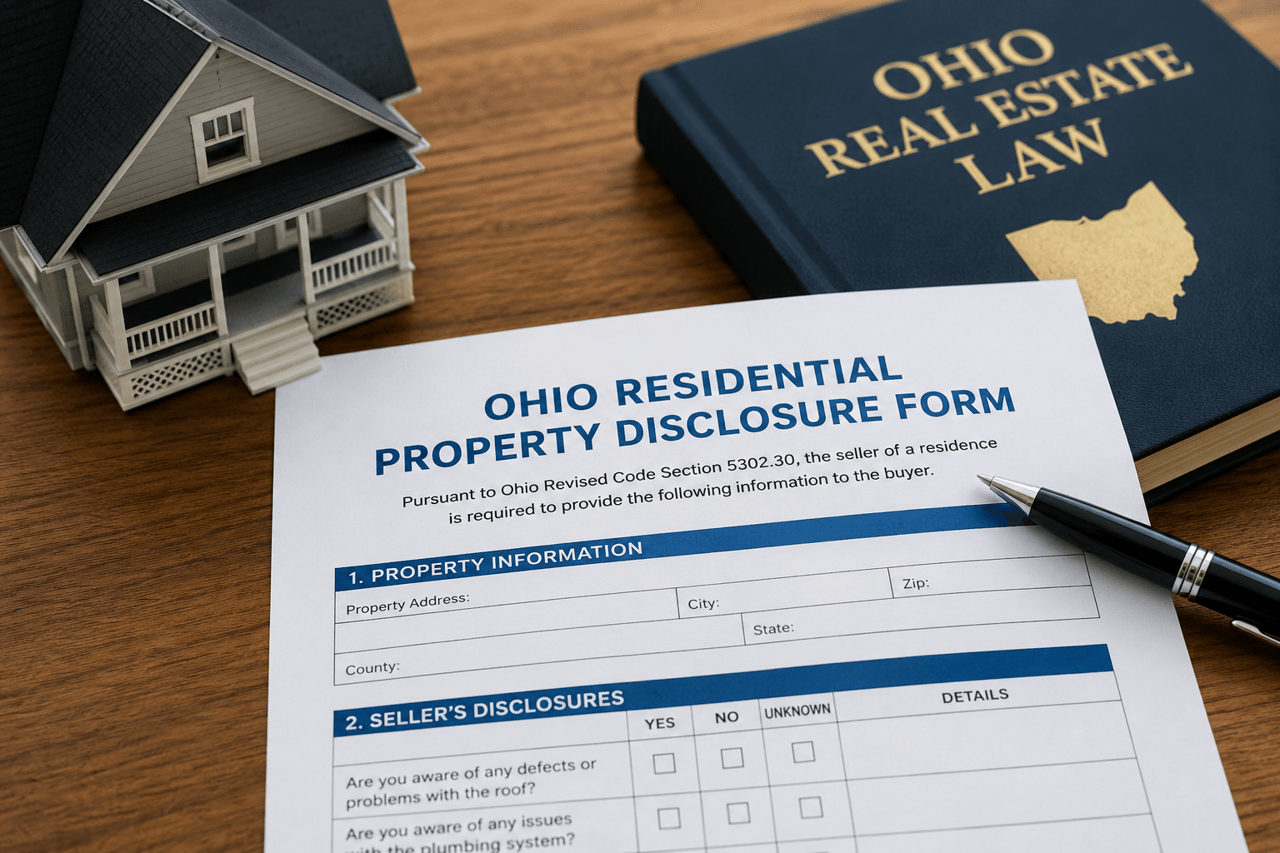
- Resale or estoppel certificate showing assessments due, owner delinquencies and association disclosures. Required in practice under Ohio’s condo statute.
- Declaration, recorded plat, CC&Rs and bylaws to confirm maintenance boundaries, alterations and rental rules under Chapter 5311.
- Current year budget, most recent financials and the last reserve study to gauge reserve strength. See the request list in Fannie Mae’s condo buyer’s guide.
- Master insurance policy declarations and deductible amounts. Review gaps and consider loss‑assessment coverage using this condo insurance resource.
- Board meeting minutes for the past 12 months to spot upcoming projects, potential assessments and litigation per Chapter 5311.
- Owner‑occupancy ratio and any units owned by the developer or association. High concentration can affect financing. See Fannie Mae’s guide.
- Written rules on pets, rentals, parking and exterior modifications so lifestyle expectations match reality. See Fannie Mae’s guide.
Red flags to watch:
- Repeated or large special assessments, weak reserves or a high master policy deductible.
- Litigation noted in minutes or resale documents.
- Very high rental or vacancy levels if you want more stability or need agency‑backed financing.
Eight smart questions to ask on tour
Bring these to the open house or HOA Q&A. They will save you surprises later.
- How are parking and guest spaces assigned or managed, and are EV chargers allowed?
- Who replaces roofs, siding, windows and driveways, and on what schedule?
- What is the master insurance policy type and deductible, and what does my HO‑6 need to cover?
- When was the last reserve study, and how funded are the reserves today?
- Have there been special assessments in the past 5 years, and are any planned?
- What are the current rental and short‑term rental rules, and are there rental caps?
- What storage options exist for bikes or seasonal items, and are sheds allowed?
- What are the quiet hours, pet policies and trash or recycling rules that affect daily life?
For a fuller request list and financing impact, review Fannie Mae’s condo buyer’s guide and HUD’s FHA condo guidance.
Westerville scenarios to help you decide
- You want a walkable lifestyle and low exterior maintenance. Focus on well‑managed condos near Uptown Westerville and compare HOA inclusions, reserves and master policy details.
- You want more space and a garage with less yard work than a single‑family home. Look at newer townhome communities, confirm whether they are fee‑simple or condo, and compare HOA fees that cover only common areas versus full exterior care.
- You want maximum control over exterior choices. Consider fee‑simple townhomes or planned communities with lower dues where owners handle exterior elements.
Next steps
Choosing between a condo and a townhome in Westerville starts with ownership form, then monthly cost and lifestyle fit. Get clear on what you own, what you pay and how the HOA operates before you write an offer. When you are ready to tour options, our team can help you compare communities side by side, request the right documents and coordinate lender approvals. If you are relocating, we also provide area orientation and trusted vendor connections so you can move with confidence.
Have questions or want curated options that match your budget and lifestyle? Connect with Home Connections Group - Home Central Realty. Let’s get you home.
FAQs
What is the main difference between a condo and a townhome in Ohio?
- In Ohio, the key difference is the legal structure. Condos are governed by Chapter 5311 and include shared ownership of common elements, while many townhomes are fee‑simple lots in planned communities under Chapter 5312.
How do HOA fees in Westerville affect my monthly budget?
- HOA dues vary widely based on what they cover. Some new‑build townhome communities are around $185 per month, amenity‑rich condos can exceed $500 per month, and some planned communities charge modest annual dues.
What insurance do I need for a Westerville condo purchase?
- Most condo owners need an HO‑6 policy for interior finishes, personal property, liability and loss‑assessment coverage. Match it to the master policy type and deductible shown in the resale package using this condo insurance resource.
Can I use FHA or VA for a Westerville condo?
- Yes, but the project may need approval or a single‑unit review. Expect extra documentation and time. Start with HUD’s FHA condominium guidance and coordinate early with your lender.
What documents should I request before making an offer?
- Ask for the declaration, bylaws, budget, recent financials, last reserve study, master insurance declarations, board minutes and a resale or estoppel certificate. Fannie Mae’s condo buyer’s guide shows the full list.